

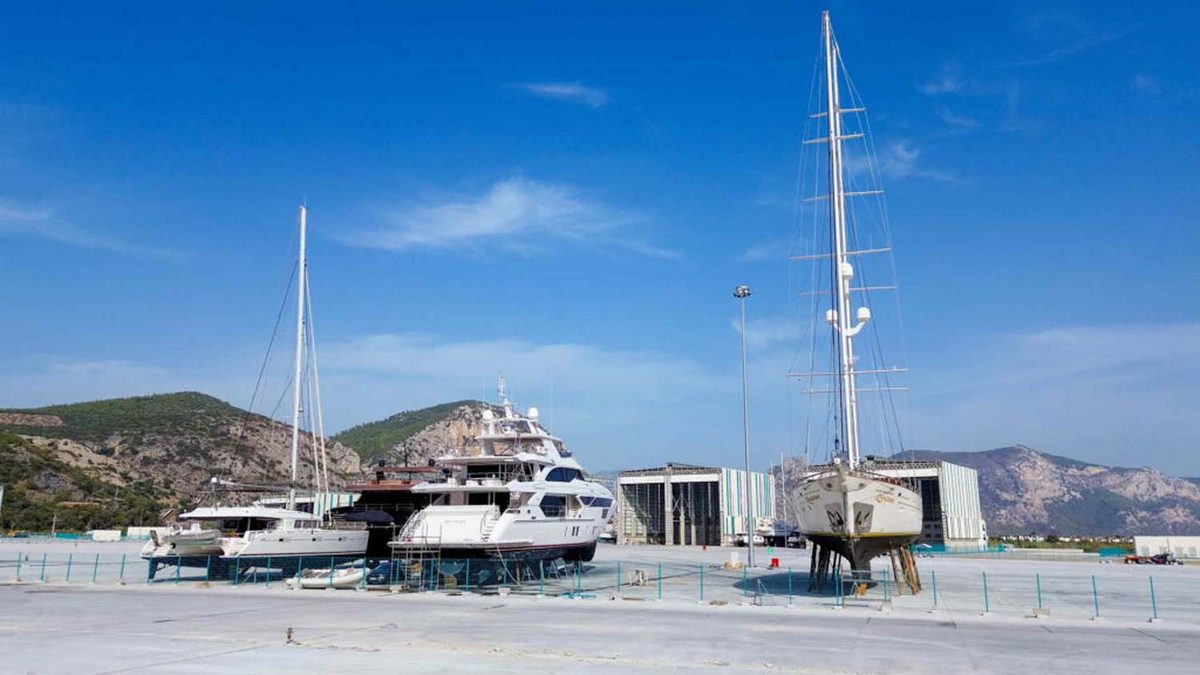
The most expensive failure on a boat is the one that happens in the middle of the season. Planned maintenance largely removes that risk.
Before the season (spring)
- Cleaning the hull bottom and checking the antifouling.
- Engine: oil, filters, impeller and anode checks.
- Electrics: battery health, charging system, lighting.
- Deck: teak, caulking, guardrails and stainless fittings.
- Safety equipment: liferaft, fire extinguishers, signalling gear.
After the season (autumn)
- Removing salt and washing down with fresh water.
- Preparing the engine for winter (antifreeze, protective servicing).
- Water and fuel systems: draining and protection.
- Managing moisture and ventilation.
- A full condition survey and report.
Why a report?
If the work done is not recorded, next year the same checks start from scratch. The report is the boat’s maintenance memory.
When is it time for a refit?
Once individual repairs start to recur and the systems are ageing, a planned refit works out cheaper than patching piece by piece.
See services for what we do, and why us for how we approach it.
Frequently Asked Questions
How often should maintenance be done?
At least twice a year: before and after the season. If the boat is used heavily, interim checks are added.
Is antifouling needed every year?
It depends on use and on the water; the usual advice is an annual inspection and renewal when needed.
Can a boat stay afloat through the winter?
It can, provided moisture, batteries and the hull bottom are all planned for.


 Bodrum Beton
 Bodrum Boru
 İTS Maden
 İTS Gıda